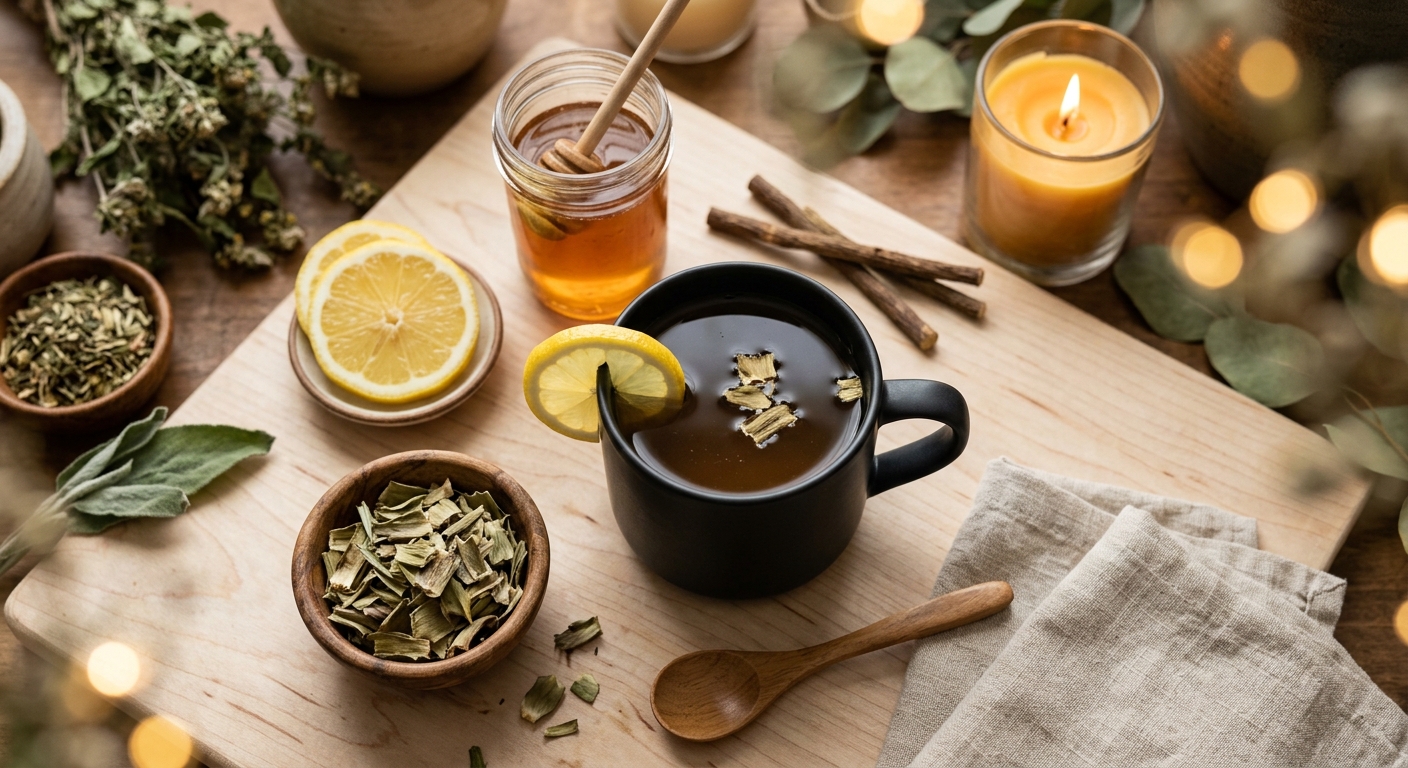
Long before artichoke hearts became a beloved ingredient in Italian antipasto, the broad, silver-green leaves of Cynara scolymus were being steeped into a pungent, pleasantly bitter tea across the kitchens and apothecaries of Southern Europe. Ancient Egyptians cultivated the globe artichoke as a food and medicine, and by the time of the ancient Greeks and Romans, it was already a prized digestive remedy. Mediterranean healers prescribed artichoke leaf preparations to stimulate sluggish digestion, ease liver complaints, and calm the discomfort that followed rich, fatty banquets. That tradition has never truly faded, and today herbalists and integrative health practitioners around the world continue to reach for artichoke leaf as one of the most reliable plant-based digestive bitters available.
What sets artichoke leaf apart from more familiar herbal teas is its profile as a true cholagogue, meaning it actively stimulates the liver to produce bile and encourages the gallbladder to release it into the small intestine. Bile is the body’s primary tool for breaking down dietary fats, so when its flow is sluggish, the result is bloating, nausea, and a heavy, uncomfortable feeling after meals. Artichoke leaf tea nudges this system back into motion gently and effectively. Traditional European herbal medicine also classified it as a hepatoprotective herb, meaning it was thought to shield liver cells from damage, a use now supported by a growing body of modern research.
The tea itself is deeply herbal in character: bracingly bitter on the first sip, with a faint earthiness and a lingering, clean finish that many drinkers come to crave once their palate adjusts. It is rarely described as pleasant in the conventional sense, but bitterness is precisely the point. In herbalism, bitter taste on the tongue triggers a cascade of digestive reflexes, including increased saliva, gastric acid, and digestive enzyme secretion, setting the entire gut into a state of readiness. Drunk fifteen to thirty minutes before a meal, artichoke leaf tea can transform the digestive experience for those who struggle with heavy foods, irregular bile flow, or a sluggish liver.
2
cups
Ingredients
- 2 tspdried artichoke leaf (cut and sifted)
- 480 mlwater (90°C / 194°F)
- —lemon slice to taste (optional, softens bitterness)
- —raw honey or licorice root to taste (optional, for sweetening)
How to Brew
Click on an item below to shop for the recommended items for this recipe on Amazon.
As an Amazon Associate, we earn from qualifying purchases.
- Bring filtered water to 90 to 95°C (194 to 203°F). Avoid a full rolling boil, as very high heat can degrade some of the delicate polyphenols. An electric kettle with temperature control works best.
- Add 1 teaspoon of dried artichoke leaf per 240 ml (8 oz) of water to a tea infuser, mesh basket, or French press. The cut-and-sifted leaf form infuses more efficiently than whole leaf pieces.
- Pour the hot water directly over the leaves and immediately place a lid or small plate over the vessel to trap volatile aromatic compounds.
- Steep for 7 to 10 minutes. A shorter steep produces a milder, more approachable bitterness. A longer steep yields a more potent, therapeutically intense cup preferred by experienced drinkers.
- Remove the infuser and press the leaves gently against the basket to extract any remaining liquid. Pour into a warmed mug.
- If desired, add a thin slice of fresh lemon, which brightens the flavor and adds a citrus note that complements the earthiness. A small drizzle of raw honey can take the edge off the bitterness without eliminating the beneficial bitter stimulus.
- Measure 2 teaspoons of dried artichoke leaf per 480 ml (16 oz) of cold, filtered water. Because cold water extracts compounds more slowly, a slightly higher leaf-to-water ratio compensates for the reduced extraction efficiency.
- Combine the dried leaves and cold water in a glass jar with a tight-fitting lid. Give it a gentle stir to ensure the leaves are fully submerged and not clumping together on the surface.
- Leave the jar at room temperature for the first 1 to 2 hours to begin the initial extraction, then transfer to the refrigerator. Cold temperatures slow oxidation and preserve the fresh, green character of the herb.
- Allow to steep for a total of 10 to 14 hours, ideally overnight. The extended time compensates for the lower temperature and ensures adequate extraction of cynarin and chlorogenic acid.
- Strain through a fine mesh strainer lined with a coffee filter to remove all fine particles. The result should be a clear, pale olive-green liquid with a silky texture.
- Serve over ice in a tall glass with a lemon wedge. Cold brew artichoke leaf tea keeps well in the refrigerator for up to 48 hours in a sealed container.
- Place 1 tablespoon (approximately 3 teaspoons) of dried artichoke leaf per 480 ml (16 oz) of cold, filtered water directly into a small stainless steel or enamel saucepan. Starting in cold water allows the cellular structure of the leaf to open gradually, improving extraction.
- Bring the water and leaves to a gentle boil over medium heat, then immediately reduce the heat to maintain a low, steady simmer. Avoid a vigorous boil, which can drive off aromatic compounds and create excessive astringency.
- Simmer uncovered for 15 to 20 minutes. The liquid will darken and reduce slightly. You may notice the aroma shifting from fresh and grassy to more earthy and robust as the heat drives deeper extraction of the leaf’s bitter compounds.
- Remove the saucepan from heat and allow to rest for 5 minutes. This brief resting period lets any remaining compounds diffuse from the leaf material into the liquid.
- Strain through a fine mesh strainer into a heatproof measuring jug, pressing the spent leaves firmly to extract every drop. Discard the leaf material.
- Pour into a small cup and sip slowly, ideally 20 to 30 minutes before your largest meal of the day. Due to its concentrated nature, a standard serving of this decoction is 100 to 150 ml rather than a full mug. Dilute with hot water if the bitterness is too intense.
Health Benefits
Cynarin, the signature compound in artichoke leaf, is a well-documented choleretic agent that increases bile synthesis in the liver and promotes its release from the gallbladder. Clinical trials, including a 2016 study published in Phytomedicine, have confirmed that artichoke leaf extract significantly increases bile flow, making it especially beneficial for individuals who experience nausea, bloating, or discomfort after eating fatty foods.
Artichoke leaf has demonstrated hepatoprotective properties in both animal models and human studies, with its polyphenols including luteolin and chlorogenic acid shown to reduce markers of liver cell damage and oxidative stress. A randomized controlled trial found that artichoke leaf extract improved liver enzyme levels in patients with non-alcoholic fatty liver disease after 8 weeks of supplementation.
A landmark multicenter clinical trial involving over 240 patients found that artichoke leaf extract significantly reduced symptoms of functional dyspepsia, including bloating, flatulence, nausea, and abdominal pain, with improvements observed after just four weeks of use. The mechanism involves enhanced gastric motility, increased bile flow, and the bitter-stimulated upregulation of digestive secretions.
Multiple clinical studies have found that artichoke leaf extract can modestly but meaningfully reduce total cholesterol and LDL cholesterol levels while maintaining or slightly improving HDL levels. The proposed mechanism involves inhibition of cholesterol biosynthesis in the liver via luteolin’s action on HMG-CoA, the same enzyme targeted by statin medications.
Artichoke leaf contains inulin-type fructans that serve as a fermentable substrate for beneficial colonic bacteria, particularly Bifidobacterium and Lactobacillus species. Regular consumption may improve microbiome diversity, reduce constipation, and support a healthier gut environment, adding a complementary dimension to its direct digestive benefits.
🧪 Key Bioactive Compounds
The Science Behind Artichoke Leaf
The therapeutic reputation of artichoke leaf tea rests on a remarkably well-characterized set of bioactive compounds. At the center is cynarin, a hydroxycinnamic acid derivative that acts directly on the liver to stimulate the synthesis and secretion of bile. Bile is not merely a digestive lubricant; it is essential for emulsifying dietary fats so that lipase enzymes can break them down into absorbable fatty acids. When bile secretion is sluggish, fats pass through the gut poorly digested, contributing to bloating, discomfort, loose stools, and inadequate absorption of fat-soluble vitamins A, D, E, and K. By upregulating bile production, cynarin addresses this inefficiency at its root. Interestingly, cynarin is also the compound responsible for the curious phenomenon of making water taste sweet after consuming artichoke, as it temporarily binds to and then releases from sweet taste receptors on the tongue.
Alongside cynarin, artichoke leaf is exceptionally rich in luteolin and chlorogenic acid, two polyphenols with overlapping but distinct mechanisms of action. Luteolin has demonstrated the ability to inhibit HMG-CoA reductase, the rate-limiting enzyme in cholesterol synthesis, which explains the observed cholesterol-lowering effects seen in clinical trials. It also suppresses inflammatory cytokines including interleukin-6 and tumor necrosis factor-alpha, contributing to the herb’s hepatoprotective profile. Chlorogenic acid meanwhile exhibits robust antioxidant activity, scavenging reactive oxygen species that would otherwise damage hepatocytes (liver cells) during periods of metabolic stress. Together, these polyphenols create a synergistic environment of reduced oxidative burden in the liver, helping to normalize enzyme levels that become elevated when liver cells are under stress.
Perhaps the most immediate mechanism of artichoke leaf tea is the simplest: bitterness. Cynaropicrin and related sesquiterpene lactones activate bitter taste receptors (TAS2Rs) not only on the tongue but also throughout the gastrointestinal tract. This triggers the cephalic phase of digestion, a neurologically mediated response that increases salivary amylase production, prompts gastric acid secretion, upregulates digestive enzyme release from the pancreas, and generally primes the gut for incoming food. This bitter reflex is the cornerstone of the traditional European practice of taking digestive bitters before meals, and artichoke leaf is among the most potent and well-researched sources of this effect in the entire plant kingdom.
Brewing Tips
- Source certified organic, cut-and-sifted artichoke leaf rather than powdered forms; the powder can be difficult to strain and may become excessively bitter and astringent in the cup.
- If the bitterness is overwhelming at first, begin with a 5-minute steep and gradually work up to longer steeping times over one to two weeks as your palate and digestive system adjust.
- Store dried artichoke leaf in an airtight glass container away from light and heat, as the polyphenols, particularly cynarin, can degrade with prolonged exposure to oxygen and UV light.