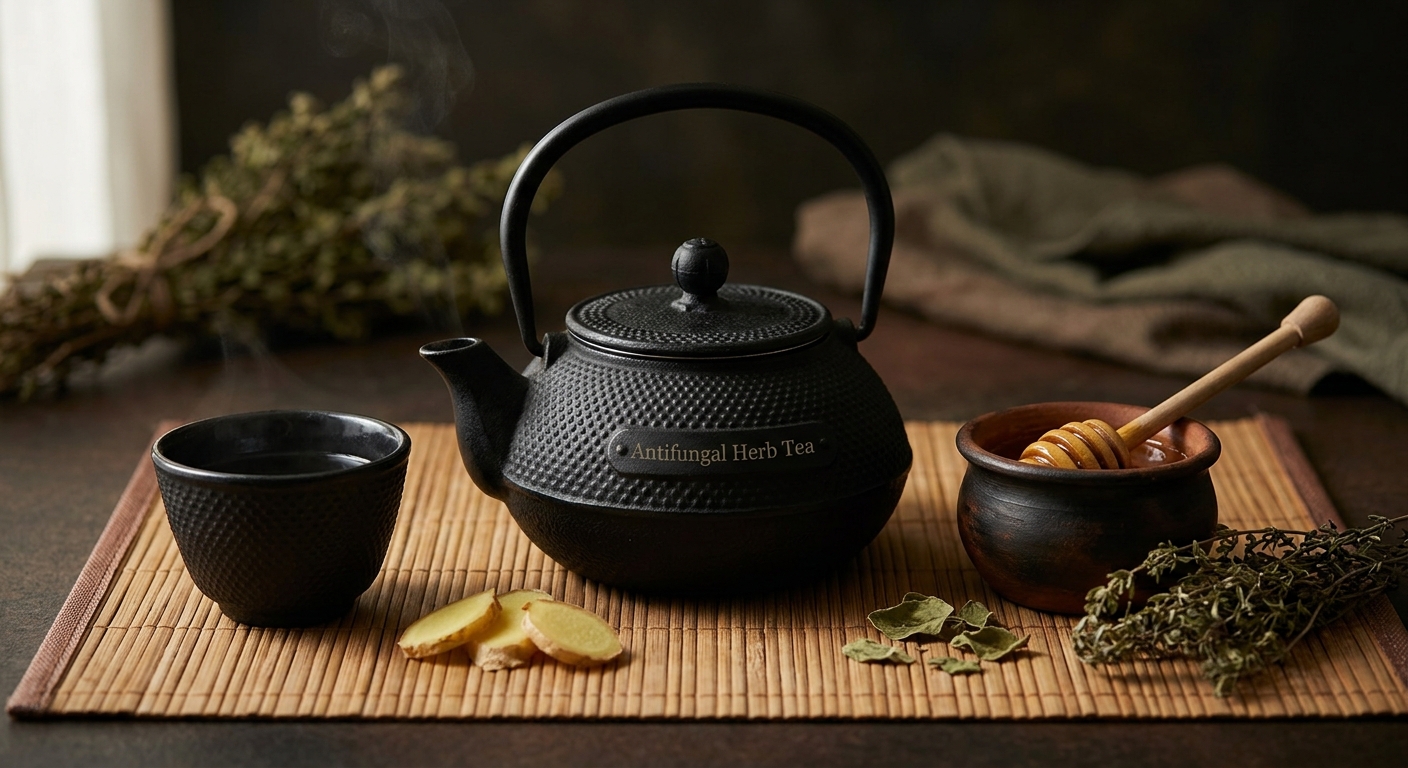
Long before pharmaceutical antifungals existed, healers across the Mediterranean, Middle East, and Asia turned to aromatic herbs to combat fungal overgrowth, skin infections, and digestive imbalances caused by yeast. Oregano and thyme, both members of the Lamiaceae family, were prized by ancient Greeks and Romans not only as culinary staples but as potent medicines. Greek physicians documented their use for respiratory complaints and skin conditions, while thyme was burned in temples as a purifying agent believed to ward off disease. Ginger, revered in Ayurveda and Traditional Chinese Medicine for over 2,500 years, was added to herbal formulas to stimulate circulation, enhance bioavailability of other herbs, and soothe the digestive tract, a common site of fungal imbalance.
What unites these three herbs is a shared capacity to disrupt the structural integrity of fungal cells. Modern phytochemistry has confirmed what traditional herbalists observed empirically: the volatile phenols in oregano and thyme, particularly carvacrol and thymol, penetrate fungal cell membranes, causing leakage of cellular contents and inhibiting fungal replication. Ginger contributes its own bioactive compounds, including gingerols and shogaols, which reduce inflammation associated with fungal infections and support the mucosal immune barriers of the gut. Together, they form a synergistic triad that is greater than the sum of its parts.
This tea carries a bold, herbaceous character with a warming, slightly spicy finish that signals its medicinal potency. It is best approached as a therapeutic brew rather than a casual sipping tea, though its robust flavor is genuinely enjoyable, especially when softened with a touch of raw honey and a squeeze of lemon. Whether you are managing a recurring Candida imbalance, supporting your immune system through seasonal challenges, or simply curious about plant-based antifungal strategies, this recipe offers a time-honored, scientifically supported starting point.
2
cups
Ingredients
- 2 tspdried oregano leaves
- 2 tspdried thyme leaves
- 1 tspfresh ginger root, thinly sliced
- 500 mlwater (95°C / 203°F)
- —raw honey to taste (optional)
- —fresh lemon juice to taste (optional)
How to Brew
Click on an item below to shop for the recommended items for this recipe on Amazon.
As an Amazon Associate, we earn from qualifying purchases.
- Bring 500 ml of fresh, filtered water to 90 to 95°C (194 to 203°F). Avoid a full rolling boil, which can dissipate some of the volatile aromatic compounds responsible for antifungal activity.
- Measure 2 teaspoons of dried oregano and 2 teaspoons of dried thyme into a tea infuser or heatproof teapot. Add the sliced fresh ginger directly to the pot or infuser.
- Pour the hot water over the herbs, cover the pot or mug immediately with a lid or small plate to trap the volatile essential oils that rise with the steam.
- Steep for 10 to 15 minutes. The longer end of this range produces a more medicinally concentrated brew. Taste at 10 minutes and extend if you prefer a bolder flavor.
- Remove the infuser or strain the herbs. Stir in raw honey if desired, then add a squeeze of fresh lemon juice to brighten the flavor and enhance the absorption of the herb’s active compounds.
- Drink while warm, ideally between meals to support digestive antifungal activity. Aim for 1 to 2 cups per day during active fungal imbalances.
- Combine 2 teaspoons of dried oregano, 2 teaspoons of dried thyme, and 4 to 5 thin slices of fresh ginger in a clean glass jar. Use a slightly higher ratio of ginger compared to the hot brew, as cold water extracts ginger’s compounds more slowly.
- Pour 600 ml of cold, filtered water over the herbs. The slightly higher water volume compensates for the lower extraction efficiency of cold water compared to hot.
- Stir gently, then seal the jar with a lid. Leave at room temperature for 1 hour to begin extraction, then transfer to the refrigerator.
- Allow the herbs to cold-steep for 12 to 18 hours. Taste at 12 hours for a milder brew, or extend to 18 hours for stronger extraction. Do not exceed 18 hours, as prolonged cold steeping can introduce bitterness.
- Strain the herbs through a fine mesh strainer or cheesecloth into a clean pitcher or jar. Discard the spent herbs.
- Serve over ice with a slice of lemon and a drizzle of raw honey stirred in while the liquid is still cold. Refrigerate unused portions and consume within 48 hours for optimal potency.
- Add 750 ml of cold, filtered water to a small saucepan. Place 1 tablespoon of dried oregano, 1 tablespoon of dried thyme, and a 2 cm piece of fresh ginger root, roughly chopped, directly into the water.
- Bring the water slowly to a gentle simmer over medium-low heat. Do not allow the liquid to reach a full boil, which can degrade volatile phenols. Adjust the heat to maintain a steady, low simmer with small bubbles forming at the surface.
- Simmer uncovered for 20 to 25 minutes, allowing the water to reduce by approximately one quarter. This concentrates the active compounds significantly.
- Remove from heat and cover the saucepan with a lid. Allow the decoction to rest and cool for 5 minutes, letting any remaining aromatic compounds settle back into the liquid.
- Strain the liquid through a fine mesh strainer into a heatproof measuring jug or pitcher, pressing the herbs gently with the back of a spoon to extract any remaining liquid.
- The decoction can be consumed immediately as two servings, or cooled and stored in the refrigerator for up to 3 days. Reheat gently before drinking and sweeten with raw honey and lemon as desired.
Health Benefits
Multiple in vitro and animal studies confirm that carvacrol and thymol from oregano and thyme disrupt the cell membranes of Candida albicans and other fungal species, reducing their ability to replicate. A 2011 study published in the Brazilian Journal of Microbiology found oregano essential oil highly effective against clinical Candida isolates, consistent with the activity of its key phenols in tea form.
The gut mucosa is a primary site where Candida and other fungal organisms establish overgrowth, particularly after antibiotic use. Ginger’s gingerols and shogaols soothe intestinal inflammation and reinforce mucosal barriers, while oregano and thyme phenols reduce fungal colonization in the gastrointestinal tract directly.
Chronic fungal infections are associated with elevated inflammatory cytokines. Rosmarinic acid and luteolin from oregano and thyme, combined with shogaol from ginger, collectively inhibit NF-kB signaling pathways, reducing pro-inflammatory cytokine production and easing the systemic inflammatory burden of fungal disease.
Thyme has a long tradition in European herbal medicine as a respiratory antiseptic, and modern evidence supports its use. Thymol’s volatile nature means it reaches the respiratory mucosa when inhaled as steam during brewing, providing topical antifungal and antimicrobial support for the airways alongside its systemic effects when consumed.
Oregano has one of the highest measured antioxidant capacities of any culinary herb, driven largely by rosmarinic acid and flavonoids like luteolin and apigenin. These compounds scavenge free radicals generated by immune cells during the inflammatory response to fungal infection, protecting surrounding healthy tissue from oxidative damage.
🧪 Key Bioactive Compounds
The Science Behind Oregano
The antifungal activity of this herbal blend is rooted in the chemistry of aromatic phenols, specifically carvacrol and thymol, the two dominant bioactive compounds in oregano and thyme respectively. These molecules are lipophilic, meaning they are attracted to and integrate into the phospholipid bilayers that form fungal cell membranes. Once embedded, they increase membrane permeability, causing essential ions and cellular contents to leak out and ultimately triggering fungal cell death. Importantly, they also target ergosterol, the primary sterol in fungal membranes (analogous to cholesterol in mammalian cells), disrupting its synthesis in a manner similar to pharmaceutical azole antifungals but through a distinct, complementary mechanism.
Ginger’s contribution operates through different but synergistic pathways. The compound 6-gingerol has been shown in laboratory studies to inhibit the germination of fungal spores and reduce biofilm formation, a critical step in Candida’s ability to colonize mucosal surfaces and resist immune clearance. Shogaol, which is more abundant in dried ginger and increases further with heat, exhibits potent inhibition of cyclooxygenase and lipoxygenase enzymes, dampening the inflammatory cascade that fungal toxins trigger in host tissue. This anti-inflammatory activity complements the direct antifungal action of the oregano and thyme phenols by reducing the collateral tissue damage that accompanies active fungal infections.
Rosmarinic acid and luteolin, present in meaningful quantities in both oregano and thyme, round out the blend’s pharmacological profile with robust antioxidant and immunomodulatory activity. Rosmarinic acid inhibits complement activation and prostaglandin synthesis, reducing the hypersensitivity responses that some individuals experience during fungal die-off (commonly called the Herxheimer reaction). Luteolin has been shown to modulate dendritic cell activity and enhance Th1 immune responses, which are the arm of the immune system primarily responsible for controlling fungal infections. These polyphenols do not just support the antifungal action of carvacrol and thymol but actively recruit the body’s own immune defenses to assist in fungal clearance.
Brewing Tips
- Use fresh, high-quality dried oregano and thyme for this tea. Old herbs lose their volatile oil content rapidly. The herbs should smell intensely aromatic when rubbed between your fingers. If they smell faint or dusty, replace them before brewing.
- Cover your mug or teapot immediately after pouring the hot water and keep it covered throughout the entire steep time. Carvacrol and thymol are volatile and will escape with the steam if the vessel is left open, reducing the therapeutic potency of each cup.
- Begin with shorter steep times (10 minutes for hot brew) if you are new to medicinal oregano teas, as the flavor and potency can be intense. You can gradually increase steep time as your palate and body adjust to the herbs over the first week of use.