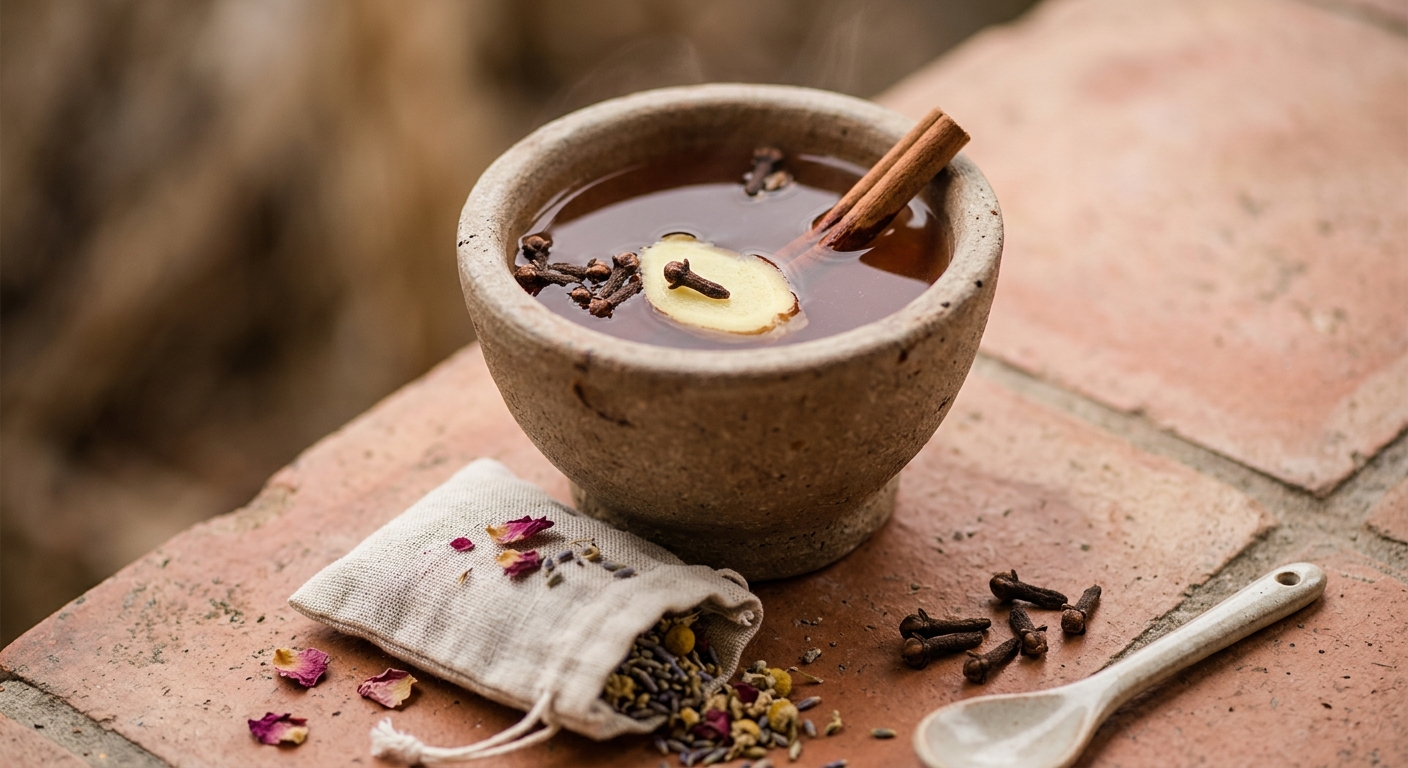
Few spices command the same reverence across cultures as the humble clove. Harvested from the evergreen tree Syzygium aromaticum, native to the Maluku Islands of Indonesia, cloves have been traded along ancient spice routes for over two thousand years. Arab merchants carried them to Europe, where they became so coveted that wars were fought over their supply. In Ayurvedic medicine, cloves are classified as a deeply warming, stimulating herb used to kindle digestive fire, or agni, and to relieve everything from nausea and flatulence to parasitic infection. Traditional Chinese practitioners similarly prescribed clove decoctions for cold-type digestive complaints, hiccups, and impaired kidney yang energy.
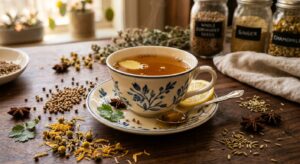
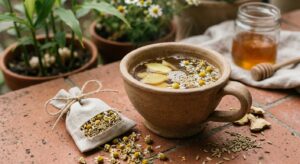
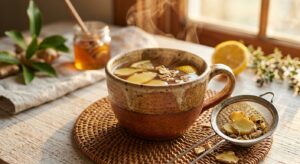
Brewing cloves into a tea unlocks their extraordinary concentration of bioactive compounds in a form that is gentle enough for regular use yet potent enough to produce real physiological effects. The experience of drinking clove tea is unmistakably sensory: a deep amber cup that perfumes the room before it even reaches your lips, with a spicy, slightly sweet warmth that spreads from the throat through the chest and settles in the belly. A small quantity of cloves produces a surprisingly complex brew, and the versatility of the spice means it pairs beautifully with ginger, cinnamon, cardamom, and even black pepper for those who want a richer, chai-inspired blend.
Modern research has begun to validate what traditional healers have long understood about cloves. The spice ranks among the highest of any food source on the ORAC antioxidant scale, and its primary compound, eugenol, has been the subject of hundreds of clinical and laboratory studies investigating its antimicrobial, anti-inflammatory, analgesic, and gastroprotective properties. Whether you are brewing a single comforting mug to calm an upset stomach or preparing a cold-brew concentrate to sip through the week, clove tea is one of the most potent and rewarding additions to any herbal tea practice.
2
cups
Ingredients
- 6 wholedried whole cloves (or 1/2 tsp ground cloves)
- 480 mlwater (95°C / 203°F)
- —raw honey to taste (optional)
- —a thin slice of fresh ginger (optional, pairs beautifully)
- —a cinnamon stick (optional, for added warmth)
How to Brew
Click on an item below to shop for the recommended items for this recipe on Amazon.
As an Amazon Associate, we earn from qualifying purchases.
- Lightly crush 6 whole cloves using the flat side of a knife or a mortar and pestle. This cracks the outer husk and exposes the inner oil-rich core without pulverizing the clove, which would make the tea overly bitter.
- Bring 480 ml of fresh, filtered water to 95°C (203°F). Avoid a full rolling boil if possible, as temperatures above 100°C can cause some of the more delicate aromatic compounds to evaporate rapidly, muting the nuanced floral notes.
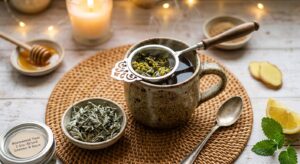
- Place the crushed cloves in a tea infuser, strainer basket, or small teapot. Add a slice of fresh ginger or a cinnamon stick if using, as these complement clove’s warming profile and add digestive synergy.
- Pour the hot water over the cloves and steep for 10 to 15 minutes. A 10-minute steep produces a warm, spicy, approachable cup; 15 minutes yields a bolder, more medicinal brew. Cover the mug or teapot while steeping to trap the volatile oils.
- Remove the infuser and strain thoroughly. Allow the tea to cool for 2 to 3 minutes before drinking. Sweeten with raw honey if desired, adding it after the tea has cooled slightly to preserve honey’s own beneficial enzymes.
- Sip slowly and mindfully, especially if this is your first time drinking clove tea, to gauge your sensitivity to its intensity.
- Place 10 whole cloves (uncrushed) into a clean glass jar along with any optional additions such as a cinnamon stick or 3 to 4 thin slices of fresh ginger. Using whole, uncrushed cloves for cold brew slows the extraction rate appropriately for the long steep time, preventing over-extraction and bitterness.
- Pour 480 ml of cool, filtered room-temperature water over the cloves. Give the jar a brief gentle stir to ensure the cloves are fully submerged.
- Seal the jar with a lid and leave it on the counter at room temperature for the first 2 hours to allow the extraction to begin, then transfer it to the refrigerator. Steep for a total of 12 to 16 hours, or overnight.
- When the steep is complete, strain the cold brew through a fine-mesh strainer or cheesecloth into a clean jar or pitcher. Discard the spent cloves. The result will be a smooth, amber-red liquid with a gentler heat than hot-brewed clove tea.
- Serve over ice in tall glasses. Add a squeeze of orange or lemon juice to brighten the flavor, or sweeten with a light agave syrup or simple syrup, which dissolves more readily in cold liquid than granulated honey. Store any remainder sealed in the refrigerator for up to 3 days.
- Combine 12 whole lightly crushed cloves with 600 ml of cold filtered water in a small saucepan. Adding the cloves to cold water and bringing everything up to temperature together allows a more gradual, even extraction of the cloves’ deeper resinous compounds.
- Bring the water to a full boil over medium-high heat, then immediately reduce the heat to a gentle, steady simmer. The surface of the water should be moving but not churning. Maintain this temperature for 20 to 25 minutes.
- If desired, add complementary hard spices during the simmer: 1 cinnamon stick, 4 green cardamom pods lightly cracked, and a 1-inch piece of fresh ginger sliced thin. These additions create a deeply complex, chai-adjacent medicinal blend with synergistic digestive benefits.
- After simmering, remove the saucepan from heat and allow the decoction to rest uncovered for 5 minutes. This brief resting period allows the temperature to drop slightly and lets suspended particles settle.
- Strain the decoction through a fine-mesh strainer into a warmed mug or teapot, pressing gently on the spent spices with the back of a spoon to extract the last of the liquid. The yield will be approximately 400 to 450 ml after evaporation.
- Sweeten with raw honey or jaggery to taste. The decoction can also be combined with warm plant-based milk in a 1:1 ratio for a richly spiced, gut-supportive golden milk style drink. Consume within the same day for maximum potency.
Health Benefits
Clove stimulates the secretion of digestive enzymes, increases gut motility, and relaxes the smooth muscle of the gastrointestinal tract. Clinical and traditional evidence consistently supports its use for bloating, flatulence, nausea, and indigestion.
Eugenol inhibits the COX-2 enzyme and suppresses pro-inflammatory cytokines including TNF-alpha and IL-6, producing measurable anti-inflammatory effects comparable to pharmaceutical NSAIDs in some laboratory models, without the associated gastric side effects at typical dietary doses.
Clove extract demonstrates significant activity against common gut pathogens including Helicobacter pylori, the bacterium associated with peptic ulcers, as well as various Candida species. Regular consumption may support a healthier intestinal microbial balance.
Cloves consistently rank among the highest antioxidant foods measured by ORAC value. The polyphenols in clove tea, particularly kaempferol and eugenol, scavenge free radicals and protect cells from oxidative stress, which is implicated in chronic gut inflammation and systemic aging.
Several studies indicate that clove compounds, including oleanolic acid and eugenol, improve insulin sensitivity and slow the breakdown of starch into glucose by inhibiting alpha-glucosidase enzymes. Drinking clove tea with or after a carbohydrate-rich meal may help moderate post-meal blood sugar spikes.
🧪 Key Bioactive Compounds
The Science Behind Clove
The scientific story of clove tea begins and ends with eugenol, a phenylpropanoid compound that constitutes 72 to 90 percent of clove’s essential oil content and is responsible for the majority of its documented physiological effects. Eugenol is a potent inhibitor of cyclooxygenase-2 (COX-2), the enzyme that catalyzes the production of prostaglandins, the signaling molecules that trigger pain and inflammation in the gut and throughout the body. By suppressing COX-2 activity, eugenol reduces intestinal inflammation through a mechanism strikingly similar to nonsteroidal anti-inflammatory drugs, but without the gastric lining damage associated with long-term NSAID use. In fact, eugenol has itself been shown to be gastroprotective in rodent models, reducing the severity of ethanol-induced and indomethacin-induced ulcers by preserving gastric mucus integrity.
Beyond its anti-inflammatory role, clove’s secondary sesquiterpene compound beta-caryophyllene adds a fascinating layer of gut-targeted activity. Beta-caryophyllene is a dietary cannabinoid, one of the few non-psychoactive natural compounds that binds selectively to CB2 receptors in the endocannabinoid system. CB2 receptors are highly expressed throughout the gastrointestinal tract and play a key role in modulating intestinal immune responses, reducing visceral hypersensitivity, and maintaining the mucosal barrier. This makes beta-caryophyllene a particularly valuable compound for individuals dealing with irritable bowel symptoms or chronic low-grade gut inflammation.
Clove’s impact on blood sugar regulation has attracted growing research interest. Multiple studies have identified that clove extracts inhibit alpha-glucosidase, the intestinal enzyme responsible for breaking down complex carbohydrates into absorbable glucose. By slowing this enzymatic process, clove effectively blunts the glycemic response to carbohydrate-containing meals, reducing post-prandial blood sugar spikes. Oleanolic acid, a triterpenoid present in clove, further contributes by improving peripheral insulin sensitivity at the cellular level. Together, these mechanisms suggest that incorporating clove tea into a meal routine could be a simple, evidence-based dietary strategy for supporting metabolic health, particularly for individuals managing prediabetes or insulin resistance under medical supervision.
Brewing Tips
- Always use whole cloves rather than pre-ground clove powder for tea. Ground cloves release their oils almost instantly, making the brew extremely bitter and difficult to control. Whole or lightly cracked cloves allow a measured, layered extraction.
- Start with fewer cloves than you think you need, especially if you are new to clove tea. Five to six whole cloves per 480 ml of water is a good starting point; experienced drinkers sometimes use up to ten, but intensity scales quickly.
- Pair clove tea with warming digestive herbs to amplify its gut-soothing benefits. Ginger addresses nausea and motility, cinnamon supports blood sugar balance, and fennel seed adds a gentle carminative effect for bloating relief. Even one addition transforms the cup into a more complete digestive formula.