Deep in the sun-baked highlands of Mexico, the Yucatan Peninsula, and the subtropical scrublands of Central America, a small aromatic shrub grows with a reputation that far exceeds its modest appearance. Turnera diffusa, known almost universally as damiana, has been woven into the healing traditions of the Maya and Aztec peoples for centuries. It was used as a nerve tonic, a mood lifter, and a remedy for exhaustion and low spirits. Spanish missionaries documented its use among indigenous communities as early as the seventeenth century, and by the nineteenth century, damiana had found its way into European and American herbal pharmacopeias as a celebrated nervine and adaptogenic plant.
What makes damiana so compelling is its unusually complex sensory character. The dried leaves release a warm, slightly camphorous aroma when steeped, with herbal and faintly earthy undertones that settle into something almost resinous in the cup. The taste is pleasantly bitter with a subtle sweetness and a mild spice, reminiscent of dry green herbs with a distant hint of vanilla. Traditional herbalists in Mexico still brew damiana tea as an evening ritual, often blending it with cinnamon or passionflower to deepen its calming effect. The herb has also historically been used as a key ingredient in a traditional Mexican liqueur of the same name, a fact that speaks to its rich cultural legacy.
Modern herbalism classifies damiana as a relaxing nervine and mild aphrodisiac, and a growing body of research is beginning to explore the bioactive compounds responsible for these traditional effects. Studies have identified flavonoids, terpenes, and arbutin-like glycosides within the leaves that appear to interact with the central nervous system, supporting relaxation without heavy sedation. This makes damiana an ideal evening tea for those seeking to wind down gently, reduce nervous tension, or simply find a quiet moment of calm at the end of a busy day.
2
cups
Ingredients
- 2 tspdried damiana leaves
- 240 mlwater (90°C / 194°F)
- —raw honey or agave nectar to taste (optional)
- —cinnamon stick for garnish (optional)
How to Brew
Click on an item below to shop for the recommended items for this recipe on Amazon.
As an Amazon Associate, we earn from qualifying purchases.
- Heat fresh filtered water to 90 to 95°C (194 to 203°F). If you do not have a temperature-controlled kettle, bring water to a full boil and allow it to rest for 60 to 90 seconds before pouring.
- Place 1 teaspoon of dried damiana leaves per cup into a tea infuser, strainer, or directly into your mug. Use a slightly rounded teaspoon for a fuller-bodied brew, or a level teaspoon for a milder cup.
- Pour the hot water slowly over the damiana leaves. Cover your mug with a small plate or lid immediately to trap the volatile aromatic compounds and prevent them from escaping as steam.
- Steep for 7 to 10 minutes. Taste at the 7-minute mark. If you prefer a stronger, more resinous flavor, allow the full 10 minutes. Note that steeping beyond 12 minutes can intensify the bitterness noticeably.
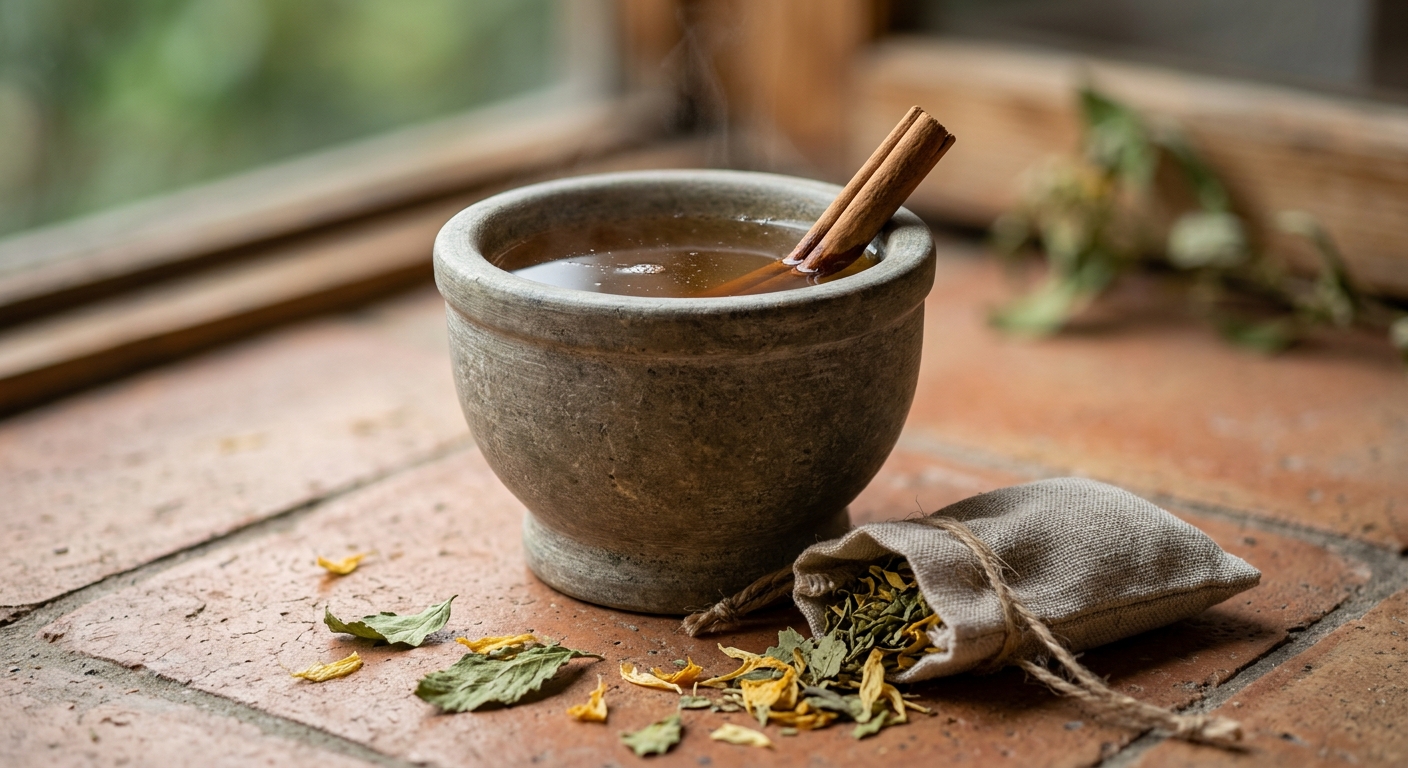
- Remove the infuser or strain the leaves carefully. Sweeten with raw honey or agave nectar if desired, and add a cinnamon stick for an earthy, warming complement. Sip slowly in the evening, at least 30 minutes before bed.
- Measure 2 heaping teaspoons of dried damiana leaves per 240 ml of cold, filtered water. Because cold water extracts more slowly and less aggressively, you will need a slightly higher herb-to-water ratio than with hot brewing.
- Combine the damiana leaves and cold water in a clean glass jar. Stir gently to ensure all the leaves are fully submerged and making contact with the water. Seal the jar with a lid.
- Allow the jar to sit at room temperature for the first 1 to 2 hours to begin extraction, then transfer to the refrigerator and steep for a total of 10 to 14 hours. Overnight steeping is ideal for planning convenience.
- In the morning, strain the liquid through a fine mesh strainer or cheesecloth, pressing the leaves lightly to extract all the infused liquid. Discard the spent leaves.
- Pour over ice in a tall glass and sweeten with agave nectar, which dissolves easily in cold liquid. Garnish with a thin slice of fresh lime for a bright, refreshing contrast to the herb’s earthy warmth. Consume within 48 hours and keep refrigerated.
- Fill a clear glass jar or pitcher with 480 ml of cold filtered water. Add 3 to 4 teaspoons of dried damiana leaves, distributing them evenly throughout the water. Do not use a metal container, as it can absorb heat unevenly and alter the flavor.
- Seal the jar and place it in a spot that receives consistent, direct sunlight, such as a sunny windowsill or an outdoor surface. The slow, gentle warmth of the sun will gradually coax the aromatic oils and flavonoids from the leaves without the harsh extraction that boiling water produces.
- Allow the jar to steep in the sun for 3 to 5 hours. Check after 3 hours. The liquid should have turned a warm olive-gold color with a distinct herbal aroma. On very hot summer days, 3 hours is usually sufficient.
- Bring the jar indoors and allow it to cool for 10 to 15 minutes at room temperature. Strain the liquid through a fine mesh strainer, pressing the leaves gently. Taste before sweetening, as sun tea made with damiana often has a naturally rounded, mellow sweetness that requires little or no added sweetener.
- Serve over ice with a sprig of fresh mint or a thin slice of orange peel. Refrigerate any remaining tea immediately and use within 24 hours, as sun tea does not contain the preserving heat of a fully boiled brew.
Health Benefits
Damiana contains apigenin and other flavonoids that interact with GABA receptors in the brain, producing a calming, mildly sedative effect that can help ease the transition into sleep. Traditional herbalists have long prescribed it as an evening nerve tonic for those suffering from stress-related insomnia.
The flavonoid compounds in damiana, particularly apigenin and gonzalitosin I, have demonstrated anxiolytic activity in preclinical studies by modulating neurotransmitter receptor activity. This aligns with centuries of traditional use as a remedy for nervous exhaustion, worry, and low mood.
Damiana has a long ethnobotanical history as a mood-elevating herb, and some research suggests its phytosterols and flavonoids may influence serotonin and progesterone pathways, gently lifting mood without the effects of stimulants. It is often recommended by herbalists for individuals experiencing mild depression or emotional flatness related to stress.
Beta-sitosterol and gonzalitosin I both exhibit weak affinity for sex hormone receptors, suggesting damiana may help modulate estrogen and progesterone activity. This property underlies its traditional use by women experiencing mood fluctuations related to their menstrual cycle or perimenopause.
Thymol and damianin contribute antispasmodic and bitter tonic effects that can help relax smooth muscle in the digestive tract, reducing cramping, bloating, and nervous stomach upset. Traditional Mexican herbalism frequently prescribed damiana tea for digestive complaints tied to stress and anxiety.
🧪 Key Bioactive Compounds
The Science Behind Damiana
The calming and mood-lifting properties of damiana are rooted primarily in its rich flavonoid content, with apigenin playing a particularly well-studied role. Apigenin is a flavone found across many medicinal plants, but damiana provides it alongside the more unusual gonzalitosin I, a glycosylated flavonoid that appears to interact with progesterone receptors in the central nervous system. Research published in pharmacological journals has demonstrated that apigenin binds competitively to benzodiazepine receptor sites on GABA-A receptors in the brain, producing anxiolytic and sedative effects that are measurable but considerably gentler than pharmaceutical benzodiazepines. This mechanism explains why damiana tea induces a sense of relaxed calm rather than drowsiness or impairment.
Damianin, the bitter glycoside responsible for much of the herb’s characteristic taste, functions as a classic bitter tonic compound. In traditional herbal medicine, bitters are understood to stimulate digestive secretions and tone the nervous system, and modern research has begun to validate this perspective. Bitter-sensitive taste receptors located throughout the gastrointestinal tract respond to compounds like damianin by triggering the release of digestive enzymes and modulating the enteric nervous system, which communicates directly with the brain via the vagus nerve. This gut-brain connection helps explain why damiana has historically been used to address nervous stomach and stress-related digestive complaints alongside its more central mood-lifting effects.
The phytosterol beta-sitosterol adds another layer of complexity to damiana’s pharmacology. Phytosterols are structurally similar to human steroid hormones, and beta-sitosterol has demonstrated the ability to modulate androgen and estrogen receptor activity in laboratory settings. While the concentrations achieved through tea consumption are unlikely to produce dramatic hormonal shifts, regular moderate use may contribute to the gentle hormonal balancing traditionally attributed to the herb, particularly in the context of menstrual mood fluctuations or the emotional symptoms of perimenopause. Together, these compounds create a synergistic phytochemical profile that validates damiana’s centuries-old reputation as a plant medicine for the mind, body, and spirit.
Brewing Tips
- Always cover your mug during hot steeping to prevent the volatile aromatic terpenes, which carry much of damiana’s soothing character, from evaporating before you drink the tea.
- Start with a 7-minute steep and taste before extending, as damiana’s bitterness increases noticeably with longer infusion times and can overpower the more subtle floral and herbal notes in the leaf.
- Store dried damiana leaves in an airtight glass jar away from direct light and heat, as the essential oils that give the herb its distinctive aroma degrade quickly when exposed to air and sunlight, reducing both flavor and therapeutic potency.