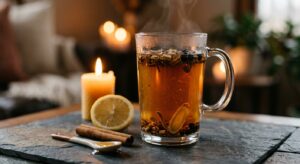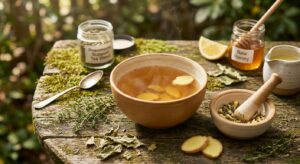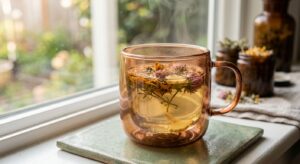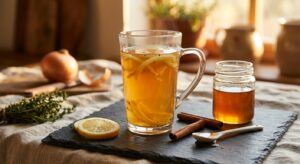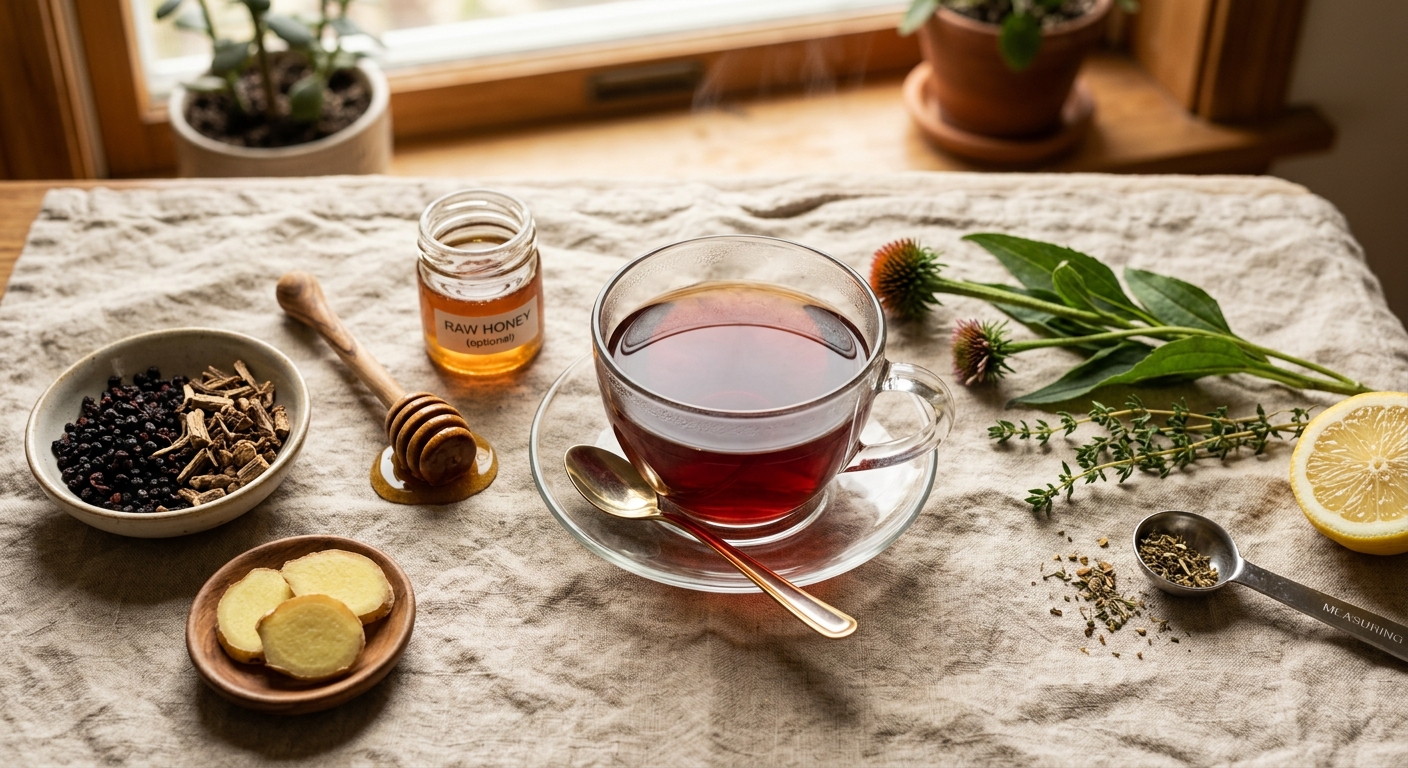
Long before modern pharmaceuticals, healers across Europe, North America, and Asia turned to the same handful of plants when illness struck. Elderberry (Sambucus nigra) was prescribed in ancient Egypt and catalogued by Hippocrates, who called the elder tree his “medicine chest.” Echinacea was the most widely used medicinal plant among the Indigenous peoples of the Great Plains, relied upon for everything from snake bites to respiratory infections. Together, these two powerhouses form the backbone of one of the most time-honored antiviral herbal traditions in the world.
What makes this blend especially compelling is the way its ingredients complement one another. Elderberries deliver anthocyanins and flavonoids that block viral particles from binding to and entering host cells. Echinacea stimulates the production of white blood cells and activates macrophages, essentially putting your immune system on high alert. Fresh ginger rounds out the formula with its own antiviral and anti-inflammatory action, while adding a bright, warming heat that makes the tea genuinely pleasurable to drink. A touch of raw honey and a squeeze of lemon add flavor and provide their own antimicrobial benefits.
This is not a tea to sip passively. It is a purposeful ritual, something you prepare at the very first sign of a scratchy throat or runny nose, and continue drinking through the duration of an illness. Clinical studies have shown elderberry preparations can reduce the duration and severity of influenza and common cold symptoms, while echinacea has demonstrated meaningful effects on cold prevention when taken consistently. Whether you are fighting something off or simply fortifying yourself heading into winter, this antiviral tea deserves a place in your herbal toolkit.
2
cups
Ingredients
- 2 tbspdried elderberries
- 1 tspdried echinacea root or purpurea herb
- 3 slicesfresh ginger root (or 1/2 tsp dried ginger)
- 500 mlwater (95 to 100°C / 203 to 212°F)
- —raw honey to taste (optional)
- —fresh lemon juice to taste (optional)
How to Brew
Click on an item below to shop for the recommended items for this recipe on Amazon.
As an Amazon Associate, we earn from qualifying purchases.
- Combine the dried elderberries, echinacea root, and fresh ginger slices in a small saucepan. Add 500 ml of cold filtered water.
- Bring the mixture to a rolling boil over medium-high heat, then immediately reduce the heat to low and allow it to gently simmer uncovered for 15 to 20 minutes. The liquid will reduce slightly and turn a deep burgundy-purple color.
- Remove the saucepan from heat and allow the decoction to rest for 3 to 5 minutes. This resting period allows additional volatile compounds to settle back into the liquid rather than evaporate.
- Pour the decoction through a fine-mesh strainer into two mugs, pressing the berries and herbs gently with the back of a spoon to extract remaining liquid.
- Stir in raw honey and a squeeze of fresh lemon juice if desired. Drink while warm, ideally at the first sign of illness or as a daily winter wellness ritual.
- Lightly crush the dried elderberries using the back of a spoon or a mortar and pestle to break their skins and increase surface area for cold extraction.
- Combine the crushed elderberries, echinacea root or herb, and ginger slices in a clean glass jar. Pour 600 ml of cold filtered water over the herbs, using slightly more water than in the hot method to compensate for the less aggressive extraction.
- Stir briefly to ensure all herbs are submerged, then seal the jar and place it in the refrigerator. Allow to steep for 12 to 16 hours, or overnight.
- Strain the cold brew through a fine-mesh strainer lined with cheesecloth into a pitcher or second jar, pressing the solids to extract as much liquid as possible.
- Sweeten with a small amount of honey dissolved first in a tablespoon of warm water (honey does not dissolve easily in cold liquid). Add lemon juice and serve over ice. Consume within 48 hours and keep refrigerated.
- Combine 4 tablespoons dried elderberries, 2 teaspoons echinacea root, 6 slices of fresh ginger, half a cinnamon stick, and 3 whole cloves in a medium saucepan. Add 750 ml of cold filtered water.
- Bring to a boil over medium-high heat, then reduce to a vigorous simmer. Cook uncovered for 30 to 45 minutes, stirring occasionally, until the liquid has reduced by roughly half. The result should be approximately 350 to 400 ml of deep, intensely colored liquid.
- Remove from heat and allow to cool to just below 40°C (104°F). This cooling step is critical before adding honey, as excessive heat destroys honey’s beneficial enzymes and antibacterial compounds.
- Strain the liquid through a fine-mesh strainer into a large bowl, pressing solids firmly to extract all remaining liquid. Discard the spent herbs and berries.
- Stir in 120 ml of raw honey until fully dissolved. Taste and adjust sweetness if needed. Pour the finished syrup into a sterilized glass jar with a tight-fitting lid.
- To serve as tea, stir 2 tablespoons of the concentrate into 200 to 240 ml of hot water. Store the jar in the refrigerator for up to two weeks, and shake gently before each use.
Health Benefits
Multiple randomized controlled trials, including a 2016 study in Nutrients, found that elderberry supplementation reduced the duration of cold symptoms by an average of two days. A 2004 study in the Journal of International Medical Research demonstrated that elderberry extract cut influenza duration nearly in half compared to placebo.
Elderberry flavonoids, particularly cyanidin-3-glucoside and cyanidin-3-sambubioside, have been shown in vitro to bind directly to influenza virions, preventing them from attaching to and penetrating host cell membranes, effectively neutralizing the virus before infection can establish.
Echinacea’s alkylamides and polysaccharides stimulate the production of interferons, tumor necrosis factor, and interleukins, signaling molecules that coordinate the body’s early non-specific immune response. A Cochrane-reviewed meta-analysis found echinacea preparations reduced the incidence of the common cold by roughly 10 to 58 percent depending on the preparation and species used.
Ginger’s 6-gingerol and shogaol compounds inhibit cyclooxygenase and lipoxygenase enzymes, reducing the production of pro-inflammatory prostaglandins and leukotrienes that cause sore throat, nasal congestion, and bronchial swelling during respiratory infections.
Quercetin and anthocyanins in elderberry are potent free-radical scavengers that reduce oxidative stress caused by the inflammatory immune response. This antioxidant activity helps protect healthy tissue from collateral damage during active infection and supports faster recovery.
🧪 Key Bioactive Compounds
The Science Behind Elderberry
The antiviral properties of elderberry are among the best-documented of any botanical remedy. The dark pigment of the berry comes from anthocyanins, particularly cyanidin-3-glucoside and cyanidin-3-sambubioside, which have been shown in both laboratory and clinical settings to physically bind to the hemagglutinin spikes on influenza virus particles. By coating these spikes, the anthocyanins prevent the virus from docking onto sialic acid receptors on human respiratory epithelial cells, essentially acting as a molecular decoy. Separately, elderberry flavonoids have been shown to inhibit neuraminidase, the same enzyme targeted by pharmaceutical antiviral drugs like oseltamivir (Tamiflu), which the virus needs to release newly replicated particles from infected cells.
Echinacea contributes a complementary but mechanistically distinct layer of protection. Its lipophilic alkylamides, compounds unique among plant medicines for their ability to cross the gut lining and enter systemic circulation intact, bind to CB2 cannabinoid receptors on immune cells. This receptor activation triggers increased production of tumor necrosis factor-alpha and interleukin-8, cytokines that mobilize macrophages and neutrophils to sites of early infection. Echinacea’s high-molecular-weight polysaccharides and glycoproteins additionally activate the alternative complement pathway and increase natural killer cell cytotoxicity, meaning the body is better equipped to identify and destroy cells that have already been compromised by viral replication.
Ginger’s contribution to the formula operates through multiple pathways simultaneously. Its principal pungent compound, 6-gingerol, inhibits the synthesis of prostaglandin E2 and leukotriene B4 by suppressing both COX-2 and 5-LOX enzymes, reducing the inflammatory cascade that produces the fever, congestion, and bodyaches associated with respiratory illness. Crucially, a 2013 study published in the Journal of Ethnopharmacology demonstrated that fresh ginger inhibited human respiratory syncytial virus attachment to respiratory epithelial cells, with an effect that was dependent on direct contact between the ginger compounds and the virus rather than indirect immune modulation. Together, these three ingredients create a layered antiviral strategy that addresses prevention, direct viral inhibition, and symptomatic relief simultaneously.
Brewing Tips
- Use dried elderberries rather than fresh or frozen for tea, as drying deactivates the sambunigrin compound responsible for gastrointestinal upset from raw berries. Never use elderberry leaves, bark, or stems, which contain higher concentrations of cyanogenic compounds.
- For maximum echinacea potency, alternate between Echinacea purpurea herb and Echinacea angustifolia root in different batches. The two species contain different primary actives (polysaccharides versus alkylamides respectively) and using both ensures broader immune coverage over a cold season.
- Begin drinking this tea at the absolute first sign of illness, ideally within the first six hours of symptom onset. Clinical evidence for elderberry and echinacea is strongest when both are used early in infection rather than after symptoms are fully established. Drink two to three cups daily throughout the duration of illness and for two days after symptoms resolve.