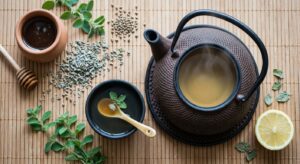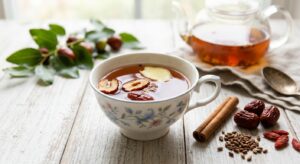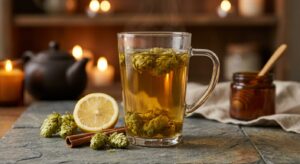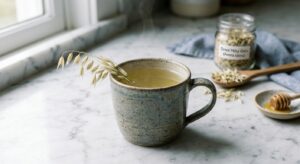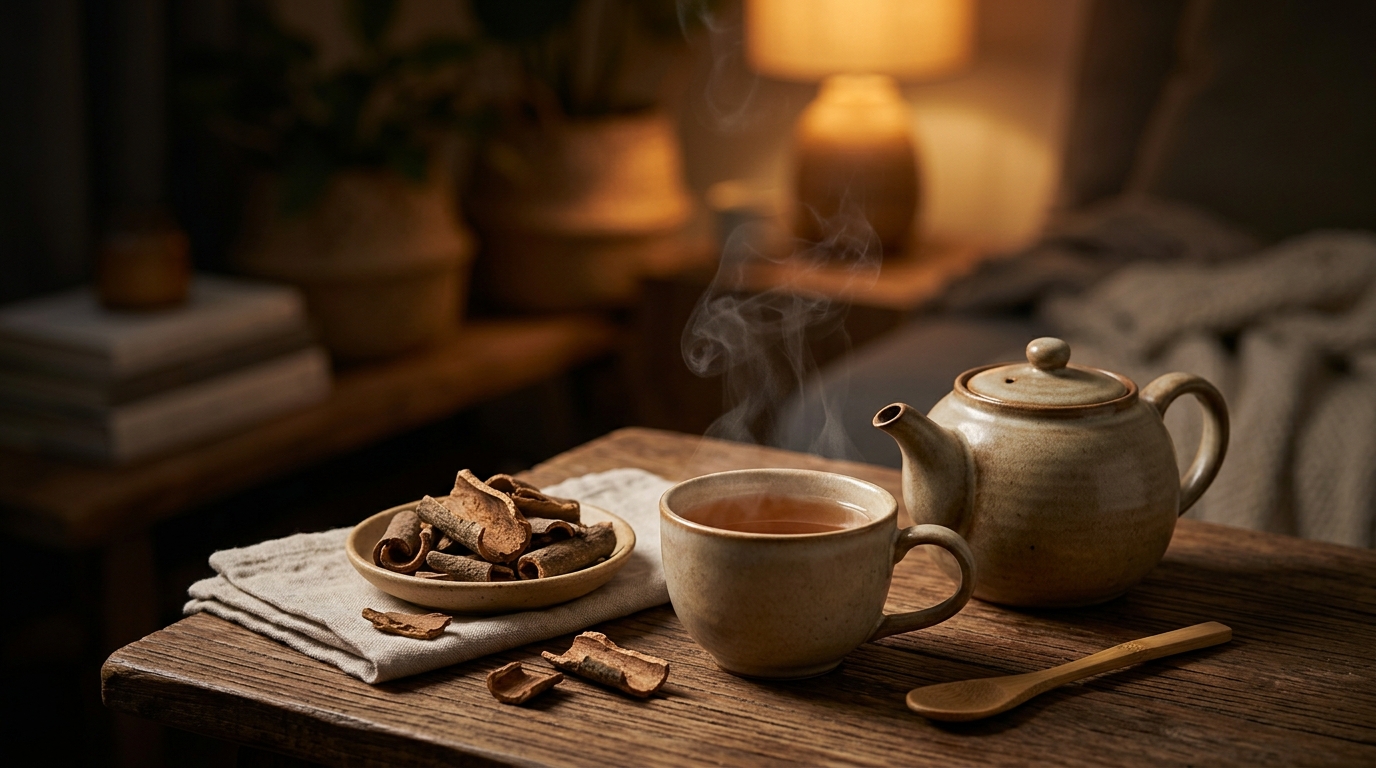
Magnolia bark, known as hou po in Traditional Chinese Medicine, comes from the trunk, branches, and root bark of Magnolia officinalis, a tree native to the mountain forests of central and western China. It appears in the Shennong Bencao Jing, one of the oldest surviving texts on Chinese herbal medicine, and has been used for centuries to ease digestive tension, regulate the flow of qi, and settle a restless spirit. The name hou po literally means ‘thick bark,’ a nod to the dense, aromatic bark that herbalists carefully strip, dry, and age before use.
In classical formulas, magnolia bark was rarely taken alone. It anchored well-known blends such as Banxia Houpo Tang, traditionally prescribed for the sensation of a lump in the throat caused by stress and worry. Practitioners valued it for its ability to ‘move stagnation,’ a concept that bridges physical tension in the chest and abdomen with emotional unrest. Taken in the evening, it became a quiet ritual for letting the day’s pressure dissolve.
Modern interest has centered on two remarkable polyphenols unique to this bark, honokiol and magnolol. Their calming, anxiety-easing properties have drawn attention from researchers, and the tea itself offers a deeply sensory experience: warm, resinous, faintly spicy, and gently bitter, with a lingering aromatic finish that invites you to slow down and sip mindfully.
2
cups
Ingredients
- 2 tspdried magnolia bark pieces (hou po)
- 480 mlwater (95°C / 203°F)
- 2 slicesfresh ginger (optional)
- —raw honey or a small piece of rock sugar to taste (optional)
- —a strip of dried tangerine peel for aroma (optional)
How to Brew
Click on an item below to shop for the recommended items for this recipe on Amazon.
As an Amazon Associate, we earn from qualifying purchases.
- Measure 2 teaspoons of dried magnolia bark pieces. If your bark is in large curls or chunks, gently crush or break them into smaller fragments so more surface area is exposed to the water.
- Rinse the bark briefly under warm running water for a few seconds to remove any dust, then drain. This quick rinse is common in Chinese tea practice.
- Bring fresh water to just below a full boil, about 95°C (203°F). Place the bark and any optional ginger or tangerine peel into a teapot or heatproof mug with a lid.
- Pour the hot water over the bark, cover the vessel, and steep for 10 to 15 minutes. Covering traps the volatile aromatic oils that give the tea its spicy, resinous scent.
- Strain into cups, sweeten lightly with honey or rock sugar if you like, and sip slowly. The bark can be re-steeped once for a milder second cup.
- Add 3 teaspoons of crushed magnolia bark to a clean glass jar. Use slightly more than for hot brewing, since cold water extracts more slowly.
- Pour in 750 ml of cool, filtered water and stir once to submerge the bark pieces.
- Seal the jar and refrigerate for 8 to 12 hours, or overnight. Avoid steeping longer than 14 hours, as the bark can turn astringent.
- Strain through a fine mesh sieve or a coffee filter to remove all bark fragments and any fine sediment.
- Serve over ice with a thin slice of orange or a drizzle of honey. Keep refrigerated and drink within 48 hours.
- Place 2 teaspoons of crushed magnolia bark into a small stainless steel or ceramic saucepan with 500 ml of cold water. Starting with cold water helps draw out the bark’s compounds gradually.
- Bring the pot slowly to a boil over medium heat, then immediately reduce to the lowest simmer. Partially cover with a lid.
- Simmer gently for 20 to 25 minutes, until the liquid has reduced by roughly one quarter and turned a deep golden brown. Add fresh ginger slices during the final 5 minutes if desired.
- Remove from the heat, cover fully, and let the decoction rest for 5 minutes so the flavors settle.
- Strain through a fine mesh sieve into a mug. Stir in honey if you prefer, and drink warm about an hour before bed.
Health Benefits
Honokiol and magnolol modulate GABA-A receptors, the same system targeted by many calming agents. Small human trials of magnolia bark extracts have reported reductions in perceived stress and anxiety.
By dampening nervous system arousal, magnolia bark may help shorten the time it takes to fall asleep. Evidence is promising but largely based on animal studies and small human trials.
In Traditional Chinese Medicine, hou po relieves abdominal fullness, bloating, and nausea. Its volatile oils and lignans appear to influence gut motility and reduce inflammation.
Honokiol and magnolol are potent polyphenolic antioxidants that neutralize free radicals in laboratory models, which may help protect cells from oxidative stress.
Some clinical research on a magnolia and phellodendron blend found lower cortisol and less stress-related eating in participants, suggesting an effect on the body’s stress response.
🧪 Key Bioactive Compounds
The Science Behind Magnolia Bark
The distinctive activity of magnolia bark comes largely from two structurally related neolignans, honokiol and magnolol. Both are lipophilic compounds that readily cross the blood-brain barrier, where they interact with GABA-A receptors in a manner distinct from classic benzodiazepines. Rather than simply sedating, they appear to enhance inhibitory signaling in a way that reduces anxiety with a comparatively mild effect on alertness. Animal studies show anxiolytic and sleep-promoting activity at modest doses, and early human research is encouraging, though larger trials are still needed.
Beyond the nervous system, honokiol and magnolol display notable anti-inflammatory and antioxidant properties. They have been shown in laboratory studies to inhibit inflammatory signaling pathways such as NF-kB and to scavenge reactive oxygen species. This may partly explain the bark’s traditional use for digestive discomfort and its growing research interest in areas ranging from cellular protection to oral health.
A practical note on extraction: because honokiol and magnolol are fat-soluble and tightly bound in dense bark tissue, a simple short steep releases only a portion of them. Longer hot steeping or decoction draws out considerably more than cold brewing, which is why traditional preparation favors simmering. A tea is a gentler, lower-dose preparation than concentrated extracts used in clinical studies, so it is best viewed as a calming ritual rather than a precise therapeutic dose.
Brewing Tips
- Buy bark pieces labeled Magnolia officinalis (hou po) from a trusted herbal supplier, and look for thick, dark brown pieces with a strong spicy aroma.
- Crush or break the bark into smaller fragments before brewing to expose more surface area and extract more flavor and active compounds.
- Drink your cup about 30 to 60 minutes before bed, and pair it with a screen-free wind-down routine to strengthen the calming effect.
- Re-steep the same bark a second time for a lighter cup, since dense bark releases its compounds gradually.
- Start with one cup in the evening to see how your body responds, as the tea can cause noticeable drowsiness.