Few herbal pairings are as time-honored or as effective as peppermint and ginger. Peppermint, a natural hybrid of watermint and spearmint, has been documented in ancient Egyptian, Greek, and Roman texts as a remedy for stomach complaints. Ginger, the knotted rhizome of Zingiber officinale, has been treasured in Ayurvedic and Traditional Chinese Medicine for over 5,000 years, revered as a digestive tonic, warming spice, and anti-nausea remedy. When these two herbs come together in a single cup, they form one of the most well-rounded digestive teas in the herbal world.
What makes this blend so compelling is the complementary nature of its two ingredients. Peppermint works by relaxing the smooth muscle lining of the gastrointestinal tract, easing spasms and releasing trapped gas. Ginger, meanwhile, stimulates the production of digestive enzymes and accelerates gastric emptying, meaning food moves through your system more efficiently. Together, they address both the cause and the symptoms of common digestive discomfort, from post-meal bloating to travel-induced nausea and irritable bowel flares.
Beyond their medicinal virtues, peppermint and ginger are simply a pleasure to drink. The cool menthol brightness of peppermint offsets the fiery, spiced warmth of ginger, creating a cup that feels simultaneously energizing and calming. Whether you sip it hot after dinner, cold on a summer afternoon, or as a concentrated shot before a long journey, this blend is as versatile as it is healing.
2
cups
Ingredients
- 2 tspdried peppermint leaves
- 1 tspfreshly grated or thinly sliced fresh ginger root
- 480 mlwater (95°C / 203°F)
- —raw honey or maple syrup to taste (optional)
- —a squeeze of fresh lemon juice (optional)
How to Brew
Click on an item below to shop for the recommended items for this recipe on Amazon.
As an Amazon Associate, we earn from qualifying purchases.
- Bring 480 ml of filtered water to 95°C (203°F). If you do not have a temperature-controlled kettle, bring water to a full boil and let it rest for 60 seconds before pouring.
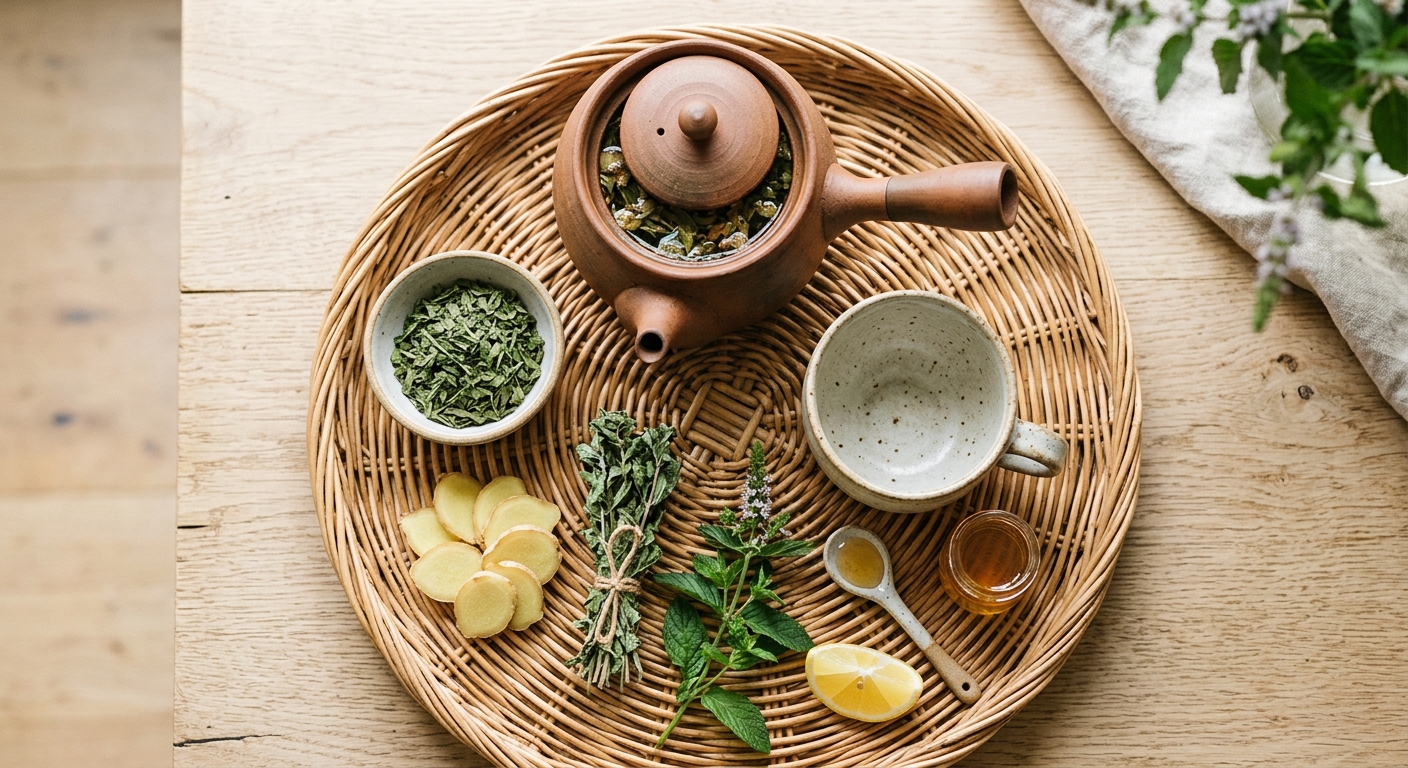
- Place 2 tsp of dried peppermint leaves and 1 tsp of freshly grated or thinly sliced ginger root into a tea infuser or small teapot. If using a teapot, you can add the herbs loosely and strain when pouring.
- Pour the hot water over the herbs, ensuring all plant material is fully submerged. Cover your cup or teapot with a lid or small saucer to trap the volatile menthol oils that would otherwise escape as steam.
- Steep for 7 to 10 minutes. A shorter steep of 7 minutes produces a lighter, mintier cup. A full 10-minute steep draws out more ginger heat and a slightly more robust, spiced character.
- Remove the infuser or strain the tea into your mug. Taste before adding sweetener. The natural sharpness of ginger often makes added sweetness unnecessary, but a small drizzle of raw honey or a squeeze of lemon can round out the flavors beautifully.
- Sip slowly after meals to support digestion, or drink 20 to 30 minutes before eating to prime the digestive system.
- Add 3 tsp of dried peppermint leaves and 1.5 tsp of thinly sliced fresh ginger root to a clean glass jar. Increase the herb ratio compared to hot brew because cold water extracts compounds more slowly and less completely.
- Pour 480 ml of cold, filtered water over the herbs. Do not use hot water at any stage. Stir gently with a long spoon to ensure all plant material is evenly moistened.
- Place a lid on the jar and leave it at room temperature for 30 minutes to begin the extraction, then transfer to the refrigerator and steep for a further 8 to 12 hours. Overnight is ideal for a well-balanced, fully developed flavor.
- When ready, strain the liquid through a fine mesh strainer or a piece of cheesecloth into a pitcher or glass, pressing lightly on the spent herbs to release any remaining liquid.
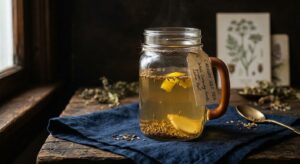
- Serve over ice. Add a few fresh mint leaves, a thin slice of fresh ginger, and a wedge of lemon as garnish for a sophisticated, cooling digestive drink. Sweeten with simple syrup or honey dissolved in a small amount of warm water if desired.
- Peel and cut 3 to 4 cm of fresh ginger root into thin coins or rough chunks. Place the ginger pieces directly into a small saucepan with 500 ml of cold, filtered water.
- Bring the water to a full boil over medium-high heat, then immediately reduce the heat to maintain a gentle simmer at around 90°C (194°F). Simmer uncovered for 15 to 20 minutes. The liquid will reduce slightly and turn a deep golden color, with an intensely spiced, warming aroma.
- Remove the saucepan from the heat entirely and allow the decocted ginger liquid to cool for 2 to 3 minutes until it drops to approximately 90 to 95°C (194 to 203°F).
- Add 2 heaped tsp of dried peppermint leaves directly to the hot ginger liquid. Cover the saucepan with a lid and allow the peppermint to infuse off the heat for 5 to 7 minutes. This two-stage process protects the volatile menthol oils from being destroyed by prolonged boiling.
- Strain the finished decoction through a fine mesh strainer into a warmed mug or teapot, pressing the herbs gently to extract all liquid. Discard the spent herbs.
- Sweeten with raw honey if desired and serve immediately. This decoction is noticeably stronger and more warming than a standard hot brew, making it especially effective for acute nausea, cold and flu symptoms, or deep digestive sluggishness.
Health Benefits
Peppermint’s menthol relaxes the smooth muscles of the gastrointestinal tract, allowing trapped gas to pass more easily. Ginger’s carminative compounds work alongside menthol to reduce intestinal pressure and abdominal distension.
Multiple clinical trials have shown that ginger, particularly its gingerol and shogaol compounds, significantly reduces nausea associated with morning sickness, chemotherapy, and motion sickness. Peppermint’s aroma and menthol content provide additional antiemetic support through sensory and receptor pathways.
Ginger has been shown in clinical studies to accelerate gastric emptying, reducing the time food sits in the stomach and decreasing feelings of heaviness and indigestion. Peppermint helps coordinate peristaltic movement in the intestines, supporting smooth transit.
Enteric-coated peppermint oil has robust clinical support for reducing IBS symptoms including abdominal pain, bloating, and altered bowel habits. While brewed tea provides lower concentrations than capsules, regular consumption of peppermint tea has been associated with meaningful symptomatic relief in several observational studies.
Both herbs are rich in polyphenols, flavonoids, and phenolic compounds that neutralize free radicals and suppress pro-inflammatory cytokine activity in the gut lining. This dual action supports long-term gut health and may reduce the severity of inflammatory digestive conditions.
🧪 Key Bioactive Compounds
The Science Behind Peppermint And Ginger
The digestive benefits of peppermint and ginger are among the most thoroughly researched in herbal medicine. Peppermint’s primary active compound, menthol, exerts its well-known antispasmodic effect by blocking calcium channels in smooth muscle cells that line the intestinal wall. When these channels are inhibited, the muscles cannot contract as forcefully, relieving the painful cramping and spasms that characterize conditions like irritable bowel syndrome and functional dyspepsia. A landmark meta-analysis published in the Journal of Clinical Gastroenterology confirmed that peppermint preparations significantly outperformed placebo in reducing IBS-related abdominal pain, lending strong clinical weight to what herbalists have observed for centuries.
Ginger’s therapeutic effects on digestion stem primarily from its phenolic compounds, gingerols in fresh root and shogaols in dried or heat-processed root. These compounds act on multiple pathways simultaneously. They antagonize 5-HT3 serotonin receptors involved in nausea signaling, enhance the secretion of digestive enzymes including amylase and lipase, and demonstrably accelerate gastric emptying in controlled trials. A review published in the British Journal of Anaesthesia found ginger to be significantly effective in reducing postoperative nausea, while research published in Obstetrics and Gynecology confirmed its safety and efficacy in reducing first-trimester morning sickness. The anti-inflammatory properties of 6-shogaol also appear to protect the gastric mucosa from irritation, supporting gut lining integrity over time.
When peppermint and ginger are combined, their mechanisms of action are genuinely complementary rather than redundant. Peppermint calms and relaxes the gut, reducing spasm and enabling smoother transit. Ginger stimulates enzymatic activity and motility, ensuring that food is processed efficiently before it can ferment and cause gas. This push-pull dynamic addresses both hypermotility conditions like IBS-D and hypomotility conditions like gastroparesis and post-meal heaviness, making this blend one of the most broadly applicable digestive teas in the herbal tradition.
Brewing Tips
- Always cover your cup or teapot while steeping peppermint to prevent menthol, a volatile oil, from escaping with the steam. Losing menthol means losing both the distinctive flavor and a significant portion of the antispasmodic benefit.
- For the most potent ginger extraction in a standard hot brew, bruise or lightly crush ginger slices with the flat of a knife before adding them to your infuser. This breaks the fibrous cell walls and releases significantly more gingerol and aromatic oils into your cup.
- Brew a large batch of the cold brew version and keep it refrigerated for up to 3 days, so you have a ready-to-pour digestive tonic throughout the week. Add ice and fresh mint for an instant, reviving drink after heavy meals or during periods of digestive discomfort.